
Advanced Metal Finishing (AMF), based in Roseville, California, is a premier provider of precision metal finishing solutions serving aerospace, defense, medical, semiconductor, and industrial manufacturing industries.
We specialize in high-quality, specification-compliant surface treatments that enhance performance, corrosion resistance, and appearance while meeting the most demanding industry and military standards.
Our state-of-the-art facility, experienced technicians, and robust quality assurance processes ensure that every component we handle is processed with precision, consistency, and full traceability.
At AMF, we partner with clients to deliver mission-critical finishing services that extend component life, ensure compliance with strict regulatory standards, and improve product reliability in the field.
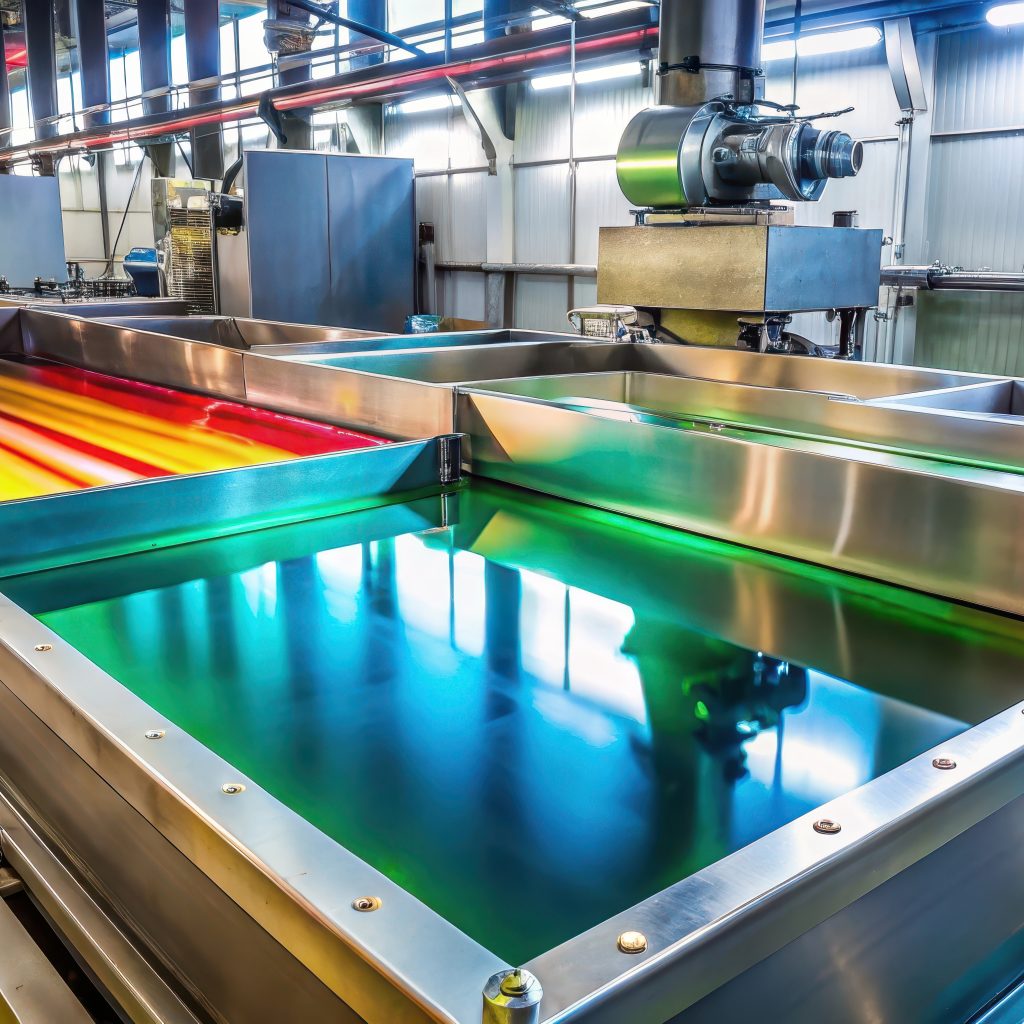
Anodizing
Overview:
AMF provides high-quality aluminum anodizing that enhances durability, corrosion resistance, and visual appeal. Whether you need functional protection or a decorative finish, our anodizing process meets the most demanding aerospace and defense standards.
Technical Details:
- Anodizing creates a controlled oxide layer on aluminum, increasing surface hardness and resistance to wear. We offer both Type II (decorative/protective) and Type III (hard coat) processes with precise thickness control.
- MIL-A-8625/T3 C1 SEALED
- MIL-A-8625/T3 C1 UNSEALED
- MIL-A-8625/T3 C2 SEALED
- MIL-A-8625/T2/C1 SEALED
- MIL-A-8625/T2/C2 SEALED/BLACK
- MIL-A-8625/T2/C2 SEALED/BLUE
- MIL-A-8625/T2/C2 SEALED/GOLD
- MIL-A-8625/T2/C2 SEALED/GREEN
- MIL-A-8625/T2/C2 SEALED/RED
- MIL-A-8625/T2B/C1 SEALED
- TITANIUM – AMS 2488/T2
- PTFE – AMS 2482/T1
- PTFE – MIL-A-63576/T1
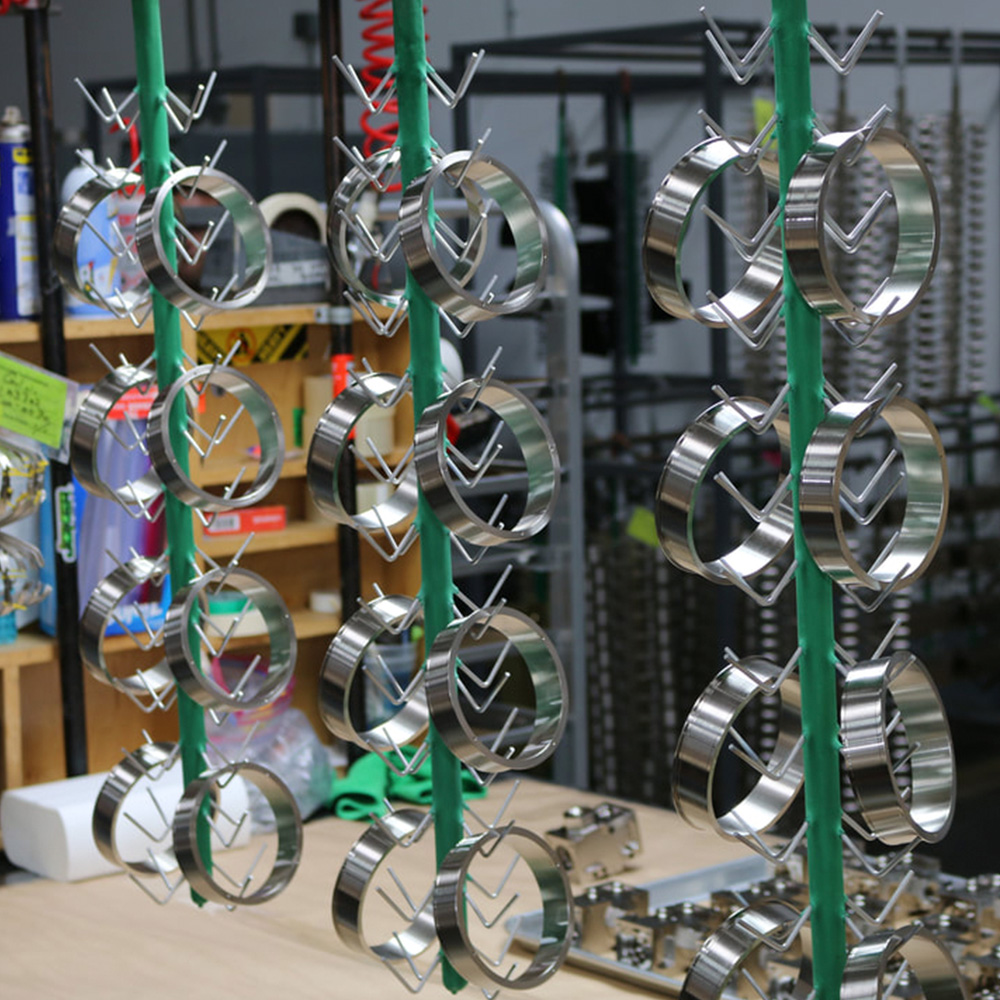
Stainless Steel Passivation
Overview:
Passivation is a non-electrolytic process typically using Nitric or Citric acid which removes free iron from the surface and forms an inert, protective oxide layer that in turn renders the stainless steel more rust-resistance due to lack of iron to react with atmosphere.
While stainless steels are naturally corrosion-resistant of which might suggest that passivating them would be unnecessary. Stainless steel is not entirely impervious to corrosion. It derives its corrosion resistant properties from the chromium content. Chromium, in the presence of air (oxygen), forms a thin film of chromium oxide which covers the surface of the stainless steel. Chromium oxide of which is inert or passive by nature and chromium in the material gives stainless steel its corrosion resistant properties.
Benefits & Applications:
- Improves corrosion resistance
- Extends service life of components
- Ensures compatibility with strict industry specs
Technical Details:
- QQ-P-35 Type II & VI, and ASTM A-380
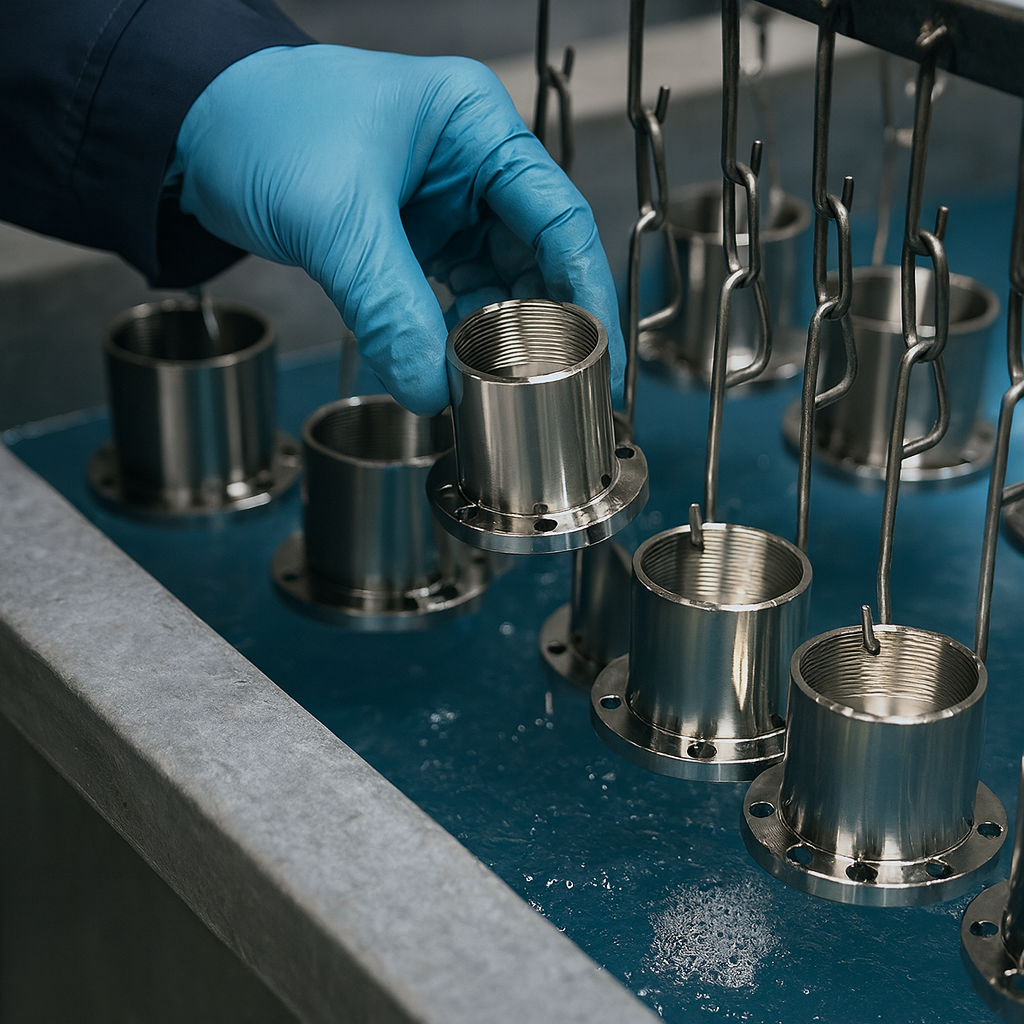
Electroless Nickel
Overview:
Electroless Nickel plating is an auto-catalytic plating process that yields significant advantages over traditional electrolytic nickel. The lack of current density issues provide a deposit that is extremely uniform in coverage and thickness.
This inherent characteristic makes this process ideal for plating components that are complex in shape and require tight tolerances after plating. Electroless Nickel abbreviated as “EN” deposits provide excellent corrosion resistance, hardness and
an added wear resistance. Electroless Nickel can be applied to all common base materials and provides superior protection for light metals (Example: aluminum alloys).
Electroless nickel can also be rendered non-magnetic, making it the optimal choice for electromagnetic shielding. Electroless nickel can be applied over a variety of substrates including stainless steel, aluminum, copper, brass and many proprietary alloys
Benefits & Applications:
- Excellent wear and corrosion protection
- Uniform thickness over irregular surfaces
- Suitable for aerospace, defense, and industrial uses
Technical Details:
- ASTM B912-02
- EP-STL-B912-02
- AMS 2404/C1
- AMS 2404/C2
- AMS 2404/C3
- AMS 2404/C4
- AMS 2405
- ASTM B733/T1/C4/SC2
- ASTM B733/T4/C3/SC3
- NICKEL/PTFE – AMS 2454/SC0/G1A/TI/C1
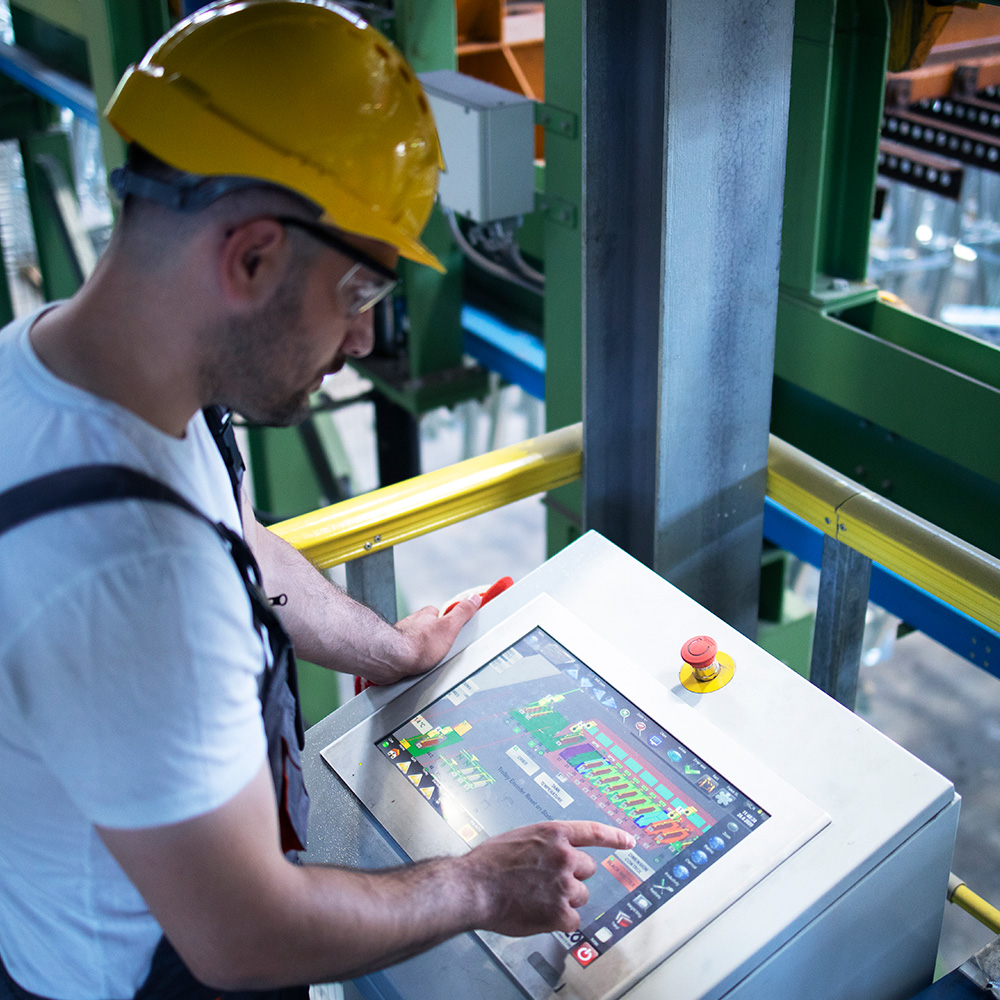
Liquid Penetrant Testing
Overview:
- AMF offers non-destructive liquid penetrant testing to detect cracks, porosity, and surface defects in critical components before they enter service.
Benefits & Applications:
- Ensures part integrity
- Detects defects early to avoid costly failures
- Meets aerospace and defense inspection protocols
Technical Details:
- Our fluorescent and visible dye penetrant methods reveal discontinuities in both ferrous and non-ferrous materials.
- STM E1417 with accept/reject criteria per MIL-STD-1907
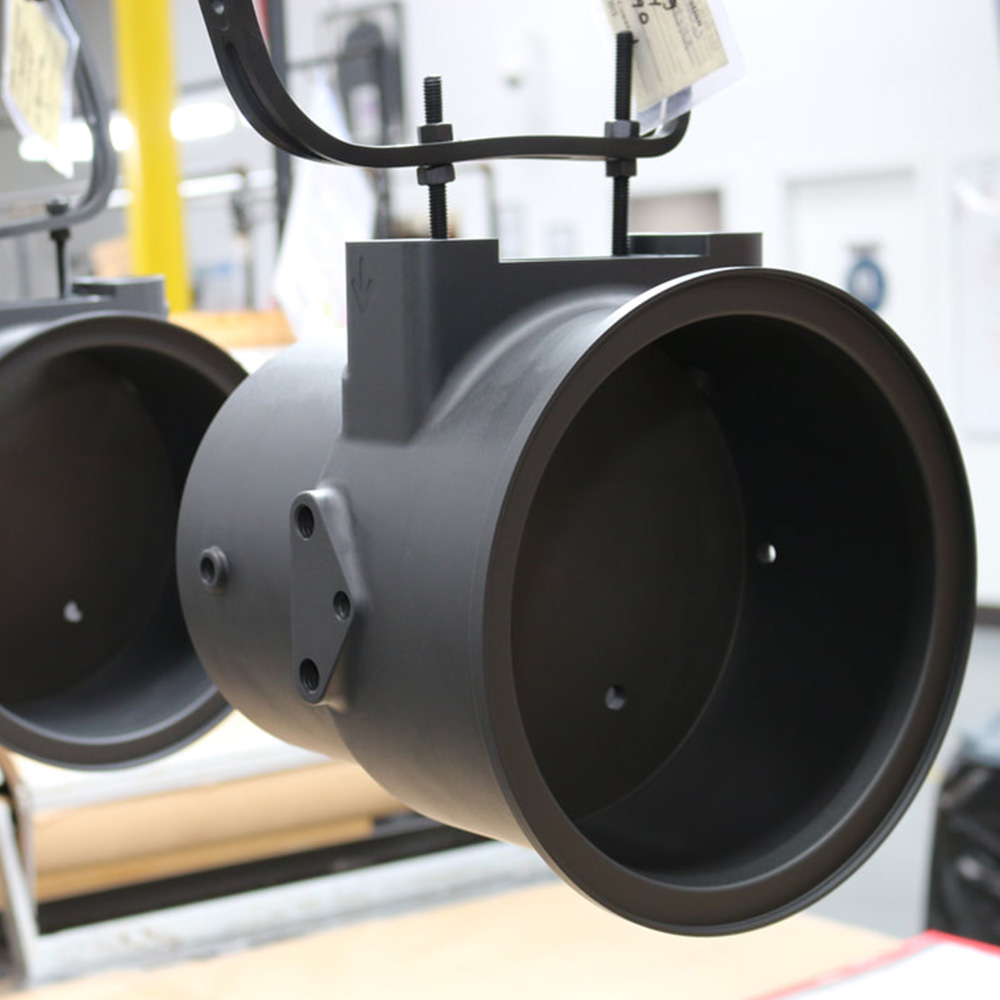
Hard Anodizing
Overview:
- Hard anodizing is typically applied to heavy wear industrial parts intended for use in aggressive or highly corrosive applications. This type of coating is typically far thicker and harder than normal anodizing. Again, this type of anodize will lend the parts a durability approaching that of hard faced or case hardened steel. Hard coated metal usually becomes a dark gray to a black finish. This can vary depending on the aluminum alloy. One of the main purposes of hard anodizing is to make the aluminum more resistant to corrosion. The thicker oxidized layer protects the finished part from being exposed to moisture, oxygen, and various other factors. Sealed items are even more corrosion resistant.
- The outer coating is also extremely hard, typically much harder than the original metal. In many cases, a thick hard anodized coating can be as hard as tool steel. The oxide layer is part of the metal, it won’t peel off and the surface finish will increase. Hard anodized metals are usually very well insulated and they don’t conduct heat or electricity well. Thus this process being especially useful for applications that require the part be used at high temperatures.
Benefits & Applications:
- Ideal for high-friction, high-load parts
- Enhanced durability in harsh environments
- Extended part service life
Technical Details:
- The most common specification are MIL-A-8625 Type lll and MIL-A-63576 Type 1 with the Teflon Seal.
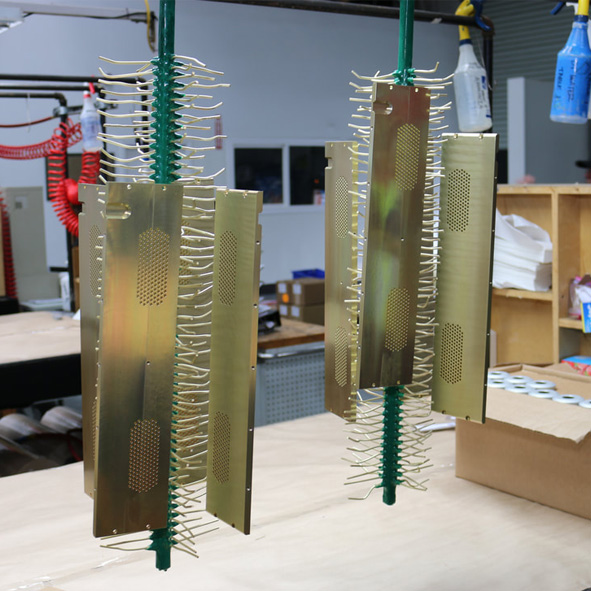
Clear & Gold Conversions
Overview:
- Chromate Conversion is a chemical immersion process. During the process, aluminum oxide and chromic oxide is produced in accordance with the conversion reaction.
Alodine is a trade name for chemical conversion coating of aluminum (more commonly known as chem film or chemical conversion). Because alodine and anodize sound alike. Sometimes confusion can be made between the two coatings. While both are conversion coatings chem film is much thinner than anodizing and is also created by immersion but without the use of any electrical current. Chem films of which are commonly seen in gold or ROHS clear versions. They provide a conductive coating and are normally used in conjunction with masking in anodized parts. The added coating provide corrosion protection and also is an excellent base primer for painting. Common military specification for chemical conversion coating is MIL-DTL-5541.
Benefits & Applications:
- Lightweight corrosion protection
- Paint base or standalone finish
- Electrical conductivity retention in gold conversion
Technical Details:
- MIL-C-5541, Class IA & III. Clear and gold colors are available. TCP – WEEE and RoHS compliant Trivalent Chromate
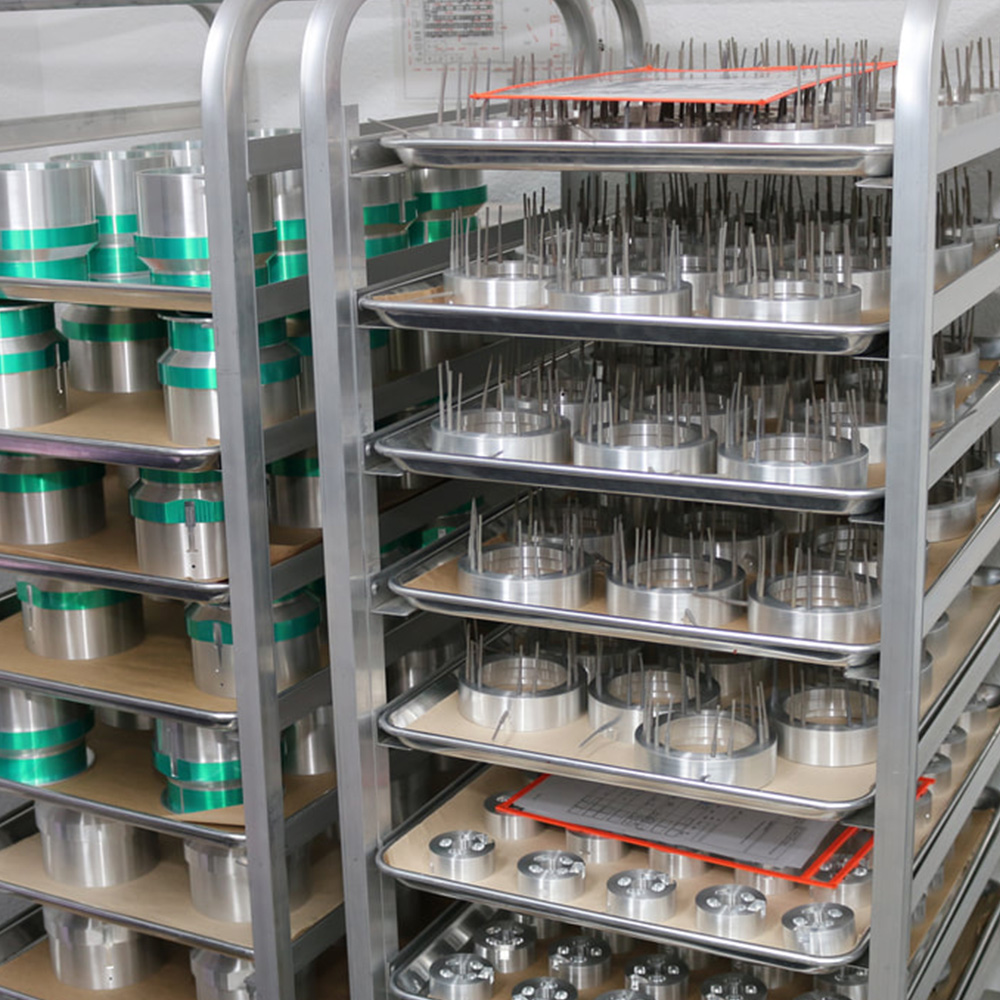
Precision Masking
Overview:
- Precision masking is the process by which specific areas of a part(s) are protected by masking materials. Masking materials include liquid masking chemicals, plugs, plastic fasteners, tape or die cuts. Typical features that may require masking are threaded holes, dowel pin holes, electrical contact points or areas, dissimilar metals on a single substrate and any tightly tolerance feature(s).
- Parts are initially designed, they’re typically prepared with the machinist in mind. The designs often don’t factor in the plating process, thus forgetting to allow for the build-up of plating until the part is completely machined. If critical dimensions are not adjusted during machining; the part will probably need to be selectively plated. Properly utilized the masking procedure will achieve the desired results. The masking process is typically flawless and fool proof. It may come with its own set of potential problems anything is possible and we expect it.
- For example, masking polished surfaces is difficult because the masking material requires a degree of surface roughness for a mechanical bond. A good analogy would be the difficulty of getting paint to adhere consistently to a high gloss finish. Masking on these surfaces has a tendency to lift off at the edges.
- Plug masking, the most straightforward solution, also can pose challenges as plugs can and do leak; Sometimes even fall out during the plating process. Part designers should endeavor to avoid the time and expense of masking whenever possible. One way to accomplish this is to be sure to make allowances for coating build-up when the part is machined. Another option is to allow for a secondary machining operation to remove the coating in the selected areas. However we here at AMF have excellent capabilities when it comes to masking and can ensure to help you design an efficient and cost effective masking strategy.
Benefits & Applications:
- Protects functional surfaces during processing
- Maintains critical fits and tolerances
- Reduces post-processing rework
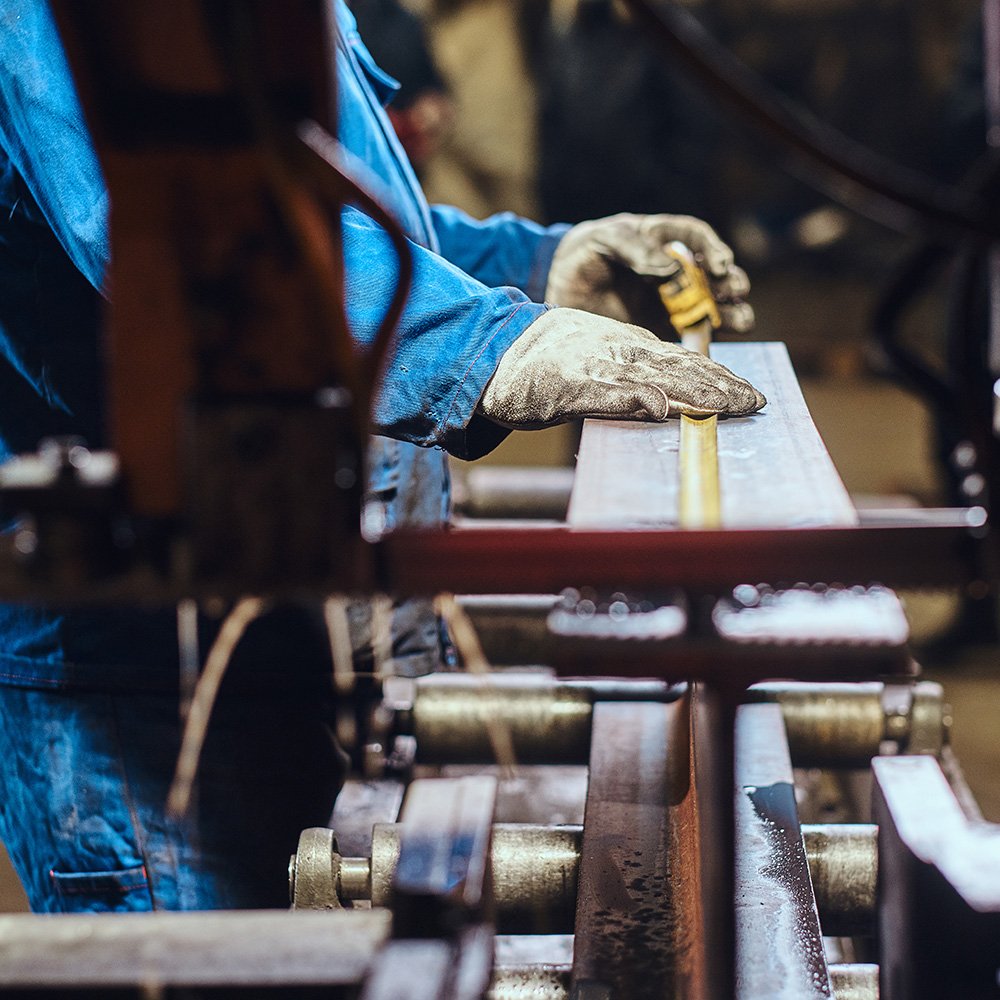
Plating Specifications
Overview:
- We process to the exact plating specifications required by aerospace, defense, and commercial manufacturers.
Benefits & Applications:
- Meets strict OEM and MIL requirements
- Supports first article inspection (FAI) and PPAP
- Fully documented processes
Technical Details:
- Our team is experienced with a wide range of industry and military plating requirements, ensuring compliance and traceability.

Dry Film Coatings
Overview:
- Solid film lubricants reduce friction, wear, and galling while providing corrosion protection in high-performance applications.
Benefits & Applications:
- Reduces maintenance requirements
- Extends part life in demanding environments
- Maintains performance in extreme temperatures
Technical Details:
- Applied via spray or dip to achieve a uniform, bonded coating.
- AS 5272/1/N
- AS 5272/2/N
- AS 5272/3/N
- MIL-PRF-46010
- AS87132
Blasting
Overview:
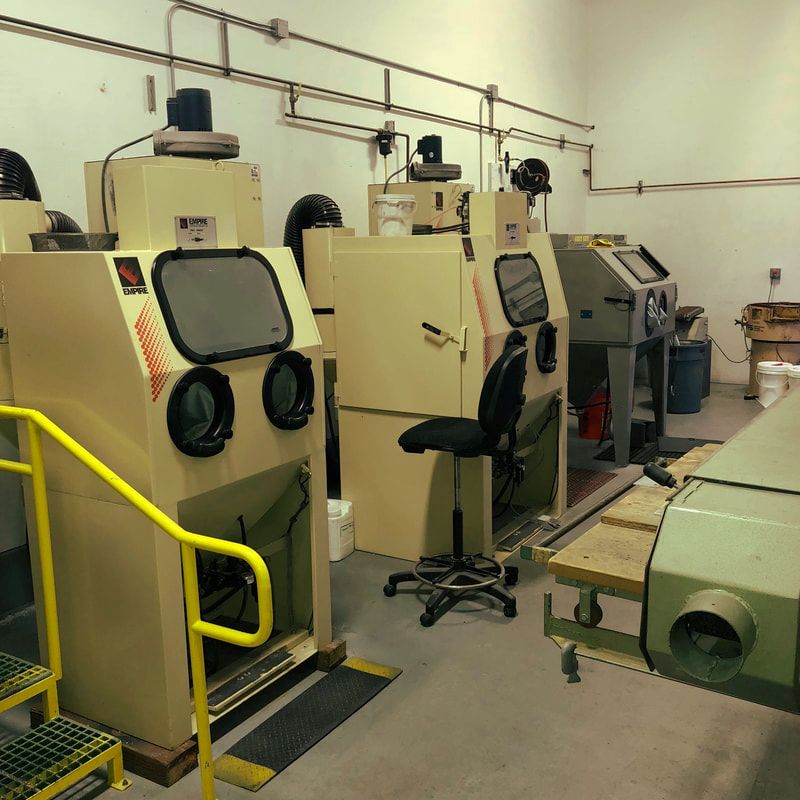
- Bead blasting is essentially like a pressure washer that uses abrasive media instead of water. Any media can be used such as walnut shells, sand, and glass beads are commonly used by many. Ultra fine glass beads produce a soft appearance with a good example being Apple’s MacBook laptops. While appearance is excellent before and after anodizing, surface texture oddly changes after anodizing and bead blasting dulls the parts finish. Bead blasting is a go-to technique that is most widely used in blasting applications that are mainly focused on improving the appearance of a component. This type of work is often referred to as a cosmetic finish. AMF uses industry material components with our own unique touch to making this process far superior to our competition and their standards.
Benefits & Applications:
- Removes scale, coatings, and contaminants
- Creates surface profile for paint or coating adhesion
- Consistent finish across parts
Part Marking
Overview:
- We offer multiple variations of laser part marking. Note that laser marking is the most versatile of all marking methods. The processes we offer are Laser Marking, Laser Engraving and Laser Etching.
Laser Marking : Our laser marks virtually on all metals, plastics and various other materials. It does this with high contrast as well as without adding any undesirable substance. A typical physical effect of laser marking creates a color change on the material. Thus, there will be no surface modification by corrugations or burrs. We use 2 types of marking methods and laser sources and those being solid state and CO2, of which are used to achieve the best markings on every type of material. - Laser Engraving : This process allows AMF to engrave anything from putting your name, part number, company logo, or something else specifically that you need on your parts. With our technology used to control this process we can make complex images accurately placed on say your firearms done with ease. You provide it to us what you want and we have the staff to make it look easy and done it will be.
- Laser Etching : Basically this process if the same as Laser Engraving, however this needs to be explained to understand its difference. That being said, our explanation is when laser marking it’s all non-contact marking in which our CNC machine directs its laser beam as small as .002” in depth to cut through the part to a designated depth. Such laser marking with a depth greater than .002” are considered to be laser engraved while laser markings deeper than .002” or shallower are considered laser etched.
Benefits & Applications:
- Maintains compliance with tracking requirements
- Enables quick identification in the field
- Resistant to wear and environmental exposure
Technical Details:
- PART MARK – GENERAL – AS478-2, -30, -32, -35A, -35D, SPD-00001810
- PART MARK – LASER – AS478-15A1, -15B1
Clean – Bag and Tag
Overview:
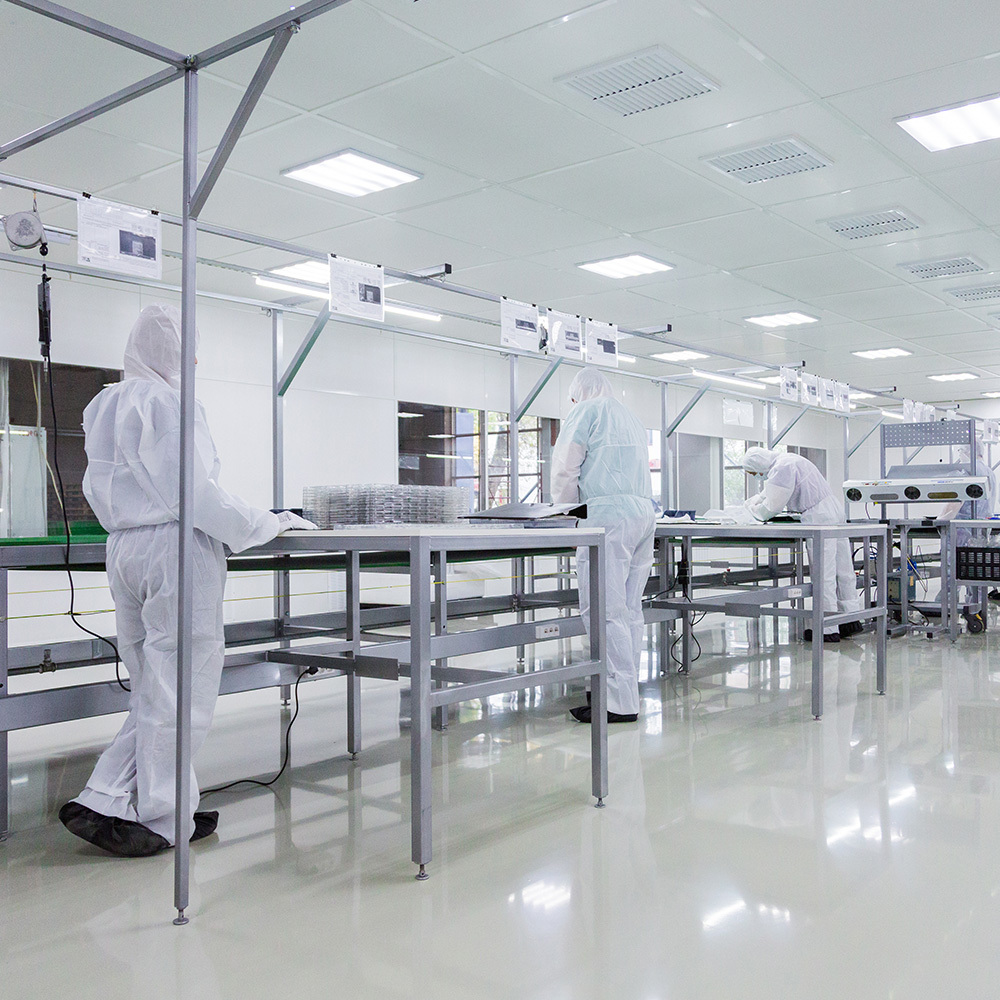
- Final cleaning, inspection, protective packaging, and identification labeling for components ready for shipment or assembly.
Benefits & Applications:
- Protects parts during storage and transit
- Ensures immediate readiness for assembly
- Maintains traceability and compliance
Technical Details:
- Clean-room compliant processes available; all packaging is tailored to part requirements.
- SPX-00006876/C2
- SPX-00006876/C3
- SPX-00006876/C4
- SPX-00006876/C5